The difference between collagen and silica. The big difference? Collagen provides the readily available base for an instant collagen 'top up' while silica helps to make collagen so will take longer for any noticeable effect..
Furthermore, can silica supplements be harmful?
The takeaway. Silicon dioxide exists naturally within the earth and our bodies. There isn't yet evidence to suggest it's dangerous to ingest as a food additive, but more research is needed on what role it plays in the body. Chronic inhalation of silica dust can lead to lung disease.
Beside above, when should I take silica supplements? “Anyone in their late 20s, early 30s should look to start taking silica. You can use it when you see fine lines or even better, preventatively.” You can also bolster your intake of silica through your diet by including plenty of dark leafy greens, leeks, green beans, cucumber, celery, and asparagus.
In this way, what are the benefits of taking silica?
It helps to strengthen the connective tissues of the brain, nerve cells, and spinal cord thereby improving memory and helping to prevent memory loss. Silica also helps stabilize the pancreas's release of insulin! If you want your nails, skin, and hair to be healthy, turn to silica.
What are the side effects of silica?
- allergic reactions, for example rash and swelling of the face.
- upset stomach.
- hypoglycemia in people with diabetes.
Related Question Answers
Can silica damage your kidneys?
Silica is comprised of quartz which is a very common mineral. If you are exposed to silica dust in the workplace, this can cause many chronic health problems including kidney damage and kidney failure. The more you are exposed, the greater the risk.What is the best silica supplement?
Best Sellers in Silica Mineral Supplements - #1.
- Now Supplements, Silica Complex with Horsetail Extract, Supports Hair, Skin and Nail Health*,…
- Living Silica Collagen Booster Liquid | Vegan Collagen Boosting Drink | Supports Healthy…
- Cellfood Essential Silica Formula, 4 oz.
How long does it take for silica supplements to work?
4-6 weeks
Does silica cause kidney stones?
Very rarely, stones can form as a result of taking certain medications or herbal products and the subsequent build-up of chemicals from those products in the urine. Some of these are indinavir, ephedrine, guaifenesin, and products containing silica.Can Silica help you lose weight?
Silica is one of our body's most important building blocks. This book was written to introduce you to this incredible health-restoring product that is safe, organic and works naturally to bring you effective weight loss benefits while it cleanses and restores your body.Why is silica bad for you?
Crystalline silica has been classified as a human lung carcinogen, and can cause serious lung disease and lung cancer. Silicosis occurs when silica dust enters the lungs and causes the formation of scar tissue, reducing the lungs' ability to take in oxygen.Does silica help hair growth?
The silica contained in silicea is …NATURES BUILDING BLOCK. Silicea strengthens your hair, and supports the growth of healthy hair, including after pregnancy. It strengthens your nails, and helps to promote elastin and collagen in the skin.Is silica in water good for you?
Silica present in drinking water may be protective with respect to the decrease of cognitive function as it was suggested by several epidemiologic studies. The role of silica in drinking water on cognitive function has been however little studied and clear results have not yet emerge.Does silica increase collagen?
On the outside, silica helps promote healthy skin, hair, and nails. That's because silica is a key ingredient in collagen creation — a building block of your skin, hair, and nails. On the inside, silica's one of the trace minerals your bones must have to improve their strength and density.What does silica supplement do?
Some people take silicon by mouth for weak bones (osteoporosis), heart disease and stroke (cardiovascular disease), Alzheimer's disease, hair loss, and improving hair and nail quality. It is also used for skin healing and for treating sprains and strains, as well as digestive system disorders.Which foods are high in silica?
Foods like; Apples, Beer, Beets, Bell peppers, Cherries, Celery, Corn, Cucumbers, Dandelion, Dried beans cooked (Chickpeas, Red Kidney beans, Urad, Moong), Eggplant, Figs, Fish, Grapes, Honey, Kelp, Leafy vegetables (Spinach, Mustard greens, Lettuce, Endives), Nettle, Nuts and seeds (Almonds, Peanuts, sunflower seeds,What is homeopathic silica used for?
Silicea is a homeopathic supplement used for poor stamina, weakness, inflammation of glands, chronic discharges, uncharacteristic odor emanating from feet, sensitivity to senses, boils and abcesses, earaches, splinters, and inflamed eyelids.What is Magnesium good for?
Cardiovascular health. One of magnesium's most important jobs is to regulate muscle function throughout the body—and that includes the heart muscle. In the body, magnesium helps the heart maintain a healthy rhythm. It also helps regulate blood pressure and the production of cholesterol.How does silica affect the body?
Breathing in very small ("respirable") crystalline silica particles, causes multiple diseases, including silicosis, an incurable lung disease that leads to disability and death. Respirable crystalline silica also causes lung cancer, chronic obstructive pulmonary disease (COPD), and kidney disease.What is silica made of?
Silica (quartz): Silica, SiO2, is a chemical compound that is composed of one silicon atom and two oxygen atoms. It appears naturally in several crystalline forms, one of which is quartz. Silicon dioxide, commonly known as silica (and/or quartz), is a prevalent element in the Earth's crust.What does zinc do for skin?
Zinc is an essential mineral that helps the body inside and out. It can even help maintain the health of your largest organ: your skin. Due to its anti-inflammatory effects, zinc is especially beneficial for inflammatory acne and related scarring.Where is silica found?
The most common form of crystalline silica is quartz, which is found in sand, gravel, clay, granite, diatomaceous earth, and many other forms of rock. Non-crystalline silica is found in glass, silicon carbide, and silicone.How much silica do we need daily?
In contrast, the average daily intake of synthetic amorphous silica (in the form of E 551) is estimated to be 0.28-4.53 mg/kg body weight, which corresponds to about 21 – 324 mg per day for someone weighing 70 kg.What is the difference between silica and collagen?
The difference between collagen and silica. The big difference? Collagen provides the readily available base for an instant collagen 'top up' while silica helps to make collagen so will take longer for any noticeable effect. 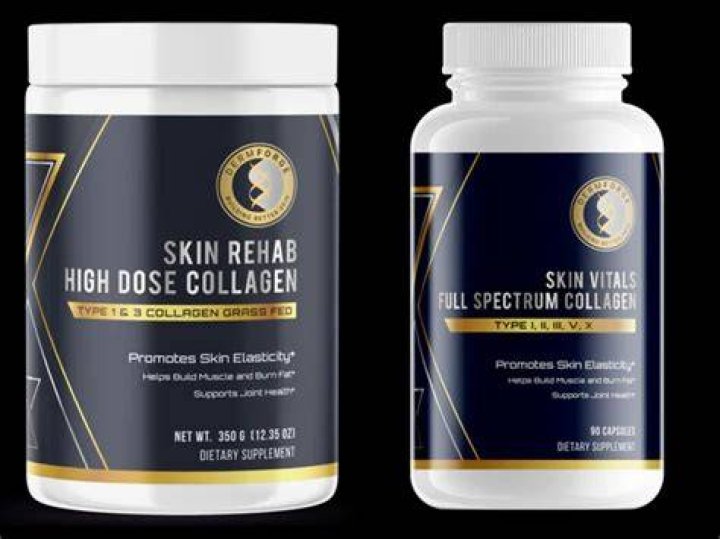
 Ava Hall