Share on Pinterest Confusion, dizziness, and irritability after taking insulin are all symptoms of an overdose. When there is too much insulin in the blood, the cells absorb more sugar than they need to, leaving less sugar in the blood. Hypoglycemia, or low blood sugar, can occur as a result..
Similarly, it is asked, what should you do if you take too much insulin?
What to Do If You Have an Insulin Overdose
- Check your blood sugar.
- Drink one-half cup of regular soda or sweetened fruit juice, and eat a hard candy or have glucose paste, tablets, or gel.
- If you skipped a meal, eat something now.
- Rest.
- Recheck your blood sugar after 15 or 20 minutes.
Similarly, can insulin overdose be detected in autopsy? Four cases of self-injected insulin overdose in nondiabetic individuals are presented. Included are two cases of presumed insulin overdose (no autopsy), one case with elevated vitreous insulin (autopsy), and one case with elevated postmortem blood insulin and low blood C peptide (autopsy).
Similarly, it is asked, what are the side effects of taking too much insulin?
The list of symptoms below are symptoms of hypoglycemia which can result from an insulin overdose:
- Depressed mood.
- Dizziness.
- Drowsiness.
- Fatigue.
- Headache.
- Hunger.
- Inability to concentrate.
- Irritability.
What happens if a non diabetic injects insulin?
Depending on the dosage, you can die within an hour or two,” he says. If a non-diabetic patient is injected with insulin, the degree of the fall of the sugar level is rapid. An insulin overdose, especially for one with no diabetes, can be extremely dangerous, and lead to a coma or worse, doctors warn.
Related Question Answers
Is 80 units of insulin too much?
Eventually, many people with Type 2 diabetes will require 1–2 units of insulin for every kilogram of body weight; that is, an 80-kilogram (175-pound) person will require at least 80 units of insulin each day. Most people, however, will need to increase their dose of insulin above the initial level.Is 30 units of insulin a lot?
Generally, to correct a high blood sugar, one unit of insulin is needed to drop the blood glucose by 50 mg/dl. This drop in blood sugar can range from 30-100 mg/dl or more, depending on individual insulin sensitivities, and other circumstances.What happens if you take too much Humalog?
Your doctor will tell you what to do if your blood sugar is high or low. If you take too much Humalog, your blood sugar may fall too low (hypoglycemia). If you forget to take your dose of Humalog, your blood sugar may go too high (hyperglycemia).Can I take insulin 2 hours after eating?
Don't wait more than 15 minutes to eat after taking a mealtime insulin. As the name suggests, rapid-acting insulin starts to work rapidly in the bloodstream. If you wait too long to eat, your blood sugar can actually end up getting too low. This puts you at risk for hypoglycemia.What are the symptoms of insulin shock?
Are There Symptoms of Hypoglycemia or Warning Signs of Insulin Shock? - Dizziness.
- Irritability.
- Moodiness or sudden changes in behavior.
- Hunger.
- Shakiness.
- Sweating.
- Rapid heart beat.
Can insulin overdose cause a heart attack?
A team of researchers in Japan has generated data in mice that suggest that using insulin to treat diabetes could be harmful if the patient has chronic high blood pressure. This excessive chronic insulin signaling exacerbated heart failure caused by high blood pressure.Can insulin shock kill you?
Severe hypoglycemia, or insulin shock, is a serious health risk for anyone with diabetes. If it isn't treated quickly, hypoglycemia can become a very serious condition that causes you to faint, requiring immediate medical attention. Insulin shock can also lead to a coma and death.How much insulin can you take in a day?
Eventually, many people with Type 2 diabetes will require 1–2 units of insulin for every kilogram of body weight; that is, an 80-kilogram (175-pound) person will require at least 80 units of insulin each day. To start, however, your doctor may begin by prescribing 0.15 units of insulin per kilogram.Can to much insulin make you sick?
Too much insulin can cause low blood sugar (also called hypoglycemia or insulin reaction). Symptoms of low blood sugar must be treated before they lead to unconsciousness (passing out). using too much insulin. sickness (especially with vomiting or diarrhea).When your sugar level is over 400?
Because your sugar is likely to be higher if you are ill, also ask your healthcare provider for a “sick day plan.” Very high blood sugar above 400 mg/dL (22.2 mmol/L) can be a medical emergency. In many cases it must be treated right away with IV fluids and insulin.Can you have withdrawals from insulin?
If you have diabetes and use insulin to help control your blood sugar, you can end up with excess amounts in your blood if you inject too much insulin or miss a meal after injecting insulin. This can throw your system out of balance. Other possible causes include: not eating enough.Is insulin bad for kidneys?
Insulin is a hormone. It controls how much sugar is in your blood. A high level of sugar in your blood can cause problems in many parts of your body, including your heart, kidneys, eyes, and brain. Over time, this can lead to kidney disease and kidney failure.At what blood sugar level should insulin be given?
Insulin is usually recommended as the initial therapy for diabetes if a person's HbA1c level at diagnosis is greater than 10% or if someone's fasting blood glucose level is consistently above 250 mg/dl.Does insulin make you fat?
Share on Pinterest Insulin therapy can cause a person to gain weight. Insulin plays a role in regulating blood sugar levels and converting food energy into fat. It also helps break down fats and proteins. During digestion, insulin stimulates muscle, fat, and liver cells to absorb glucose.Can too much insulin give you diarrhea?
Too much insulin can cause low blood sugar (also called hypoglycemia or insulin reaction). Symptoms of low blood sugar must be treated before they lead to unconsciousness (passing out). using too much insulin. sickness (especially with vomiting or diarrhea).Does insulin make you tired?
When there is not enough insulin, or the insulin isn't working effectively, it means the sugar in our blood cannot get into our cells and therefore our cells do not receive the energy they need. As a result, we feel tired.Can an insulin injection kill a nondiabetic?
Since the introduction of insulin therapy in 1921, diabetics have used insulin overdose as a mode of suicide. [1] Insulin poisoning is also used as a mode of suicide in non-diabetics, especially medical and paramedical personnel and relatives of diabetic patients.Why do we need insulin?
Insulin is a hormone made by the pancreas that allows your body to use sugar (glucose) from carbohydrates in the food that you eat for energy or to store glucose for future use. Insulin helps keeps your blood sugar level from getting too high (hyperglycemia) or too low (hypoglycemia).How long does it take to die from hypoglycemia?
It may take longer to recover from severe hypoglycemia with unconsciousness or seizure even after restoration of normal blood glucose. When a person has not been unconscious, failure of carbohydrate to reverse the symptoms in 10–15 minutes increases the likelihood that hypoglycemia was not the cause of the symptoms. 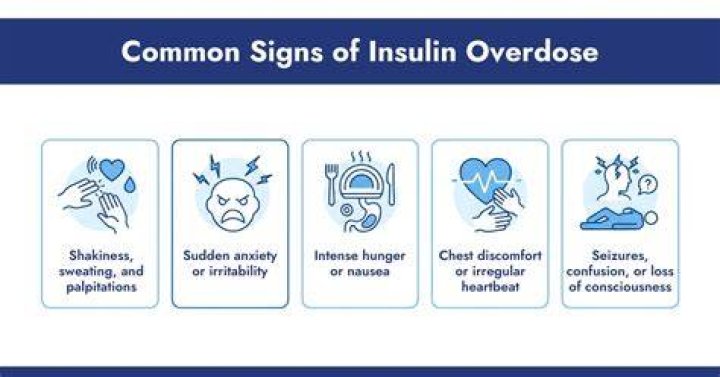
 Andrew Rivera